
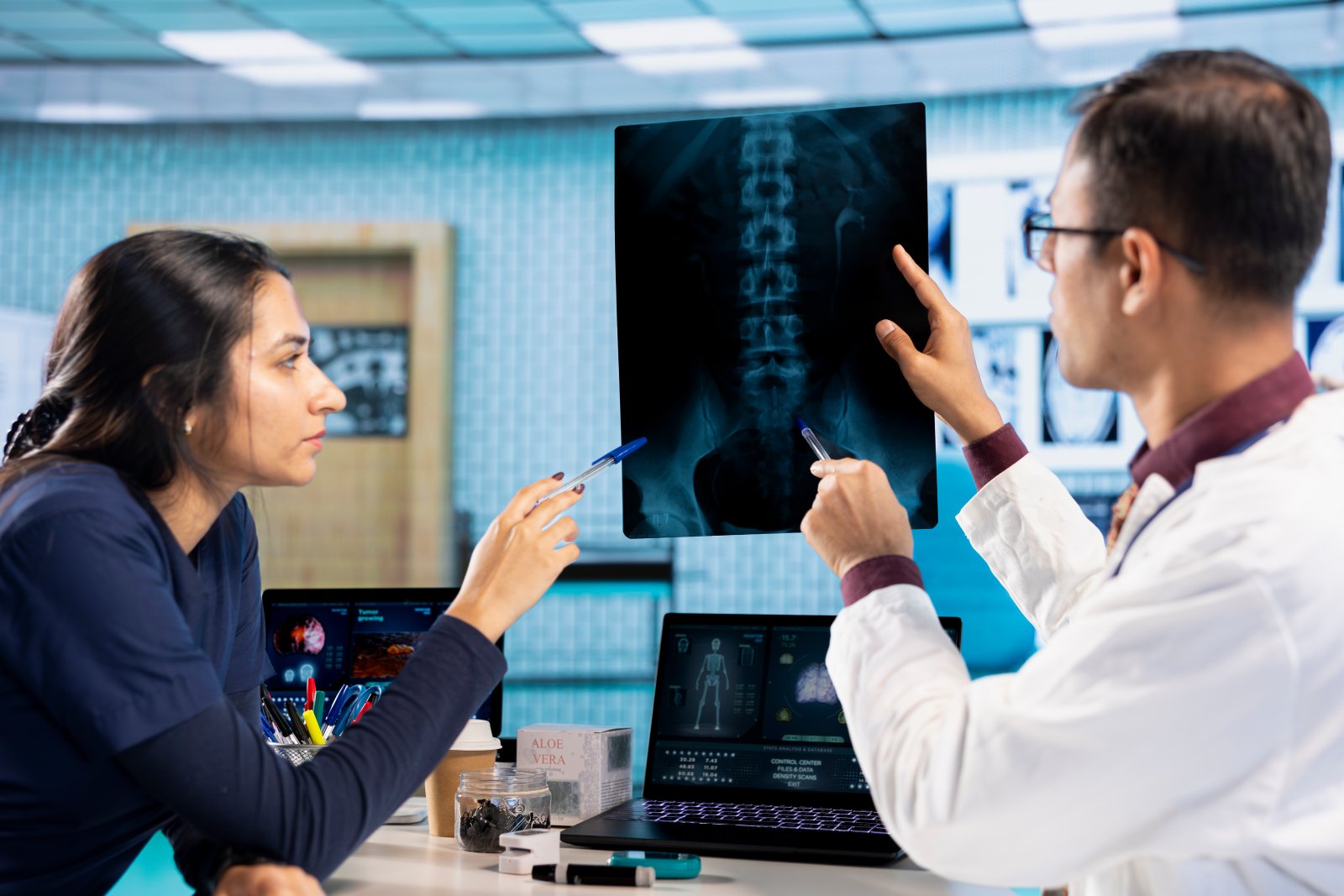
X-rays help doctors see inside your body. Traditional X-rays use film, while digital X-rays use computers. Understanding the differences between traditional X-rays vs digital X-rays can help you know what to expect. Also, it helps you make informed choices about your care. Both types are safe and common, but they work in different ways. Let’s explore how they compare and what benefits each offers.
What Are Traditional X-rays?
Traditional X-rays, also called film X-rays, have been used for many years. In this process, a machine sends X-ray beams through your body. The beams create an image on a special film, much like old-fashioned cameras. Afterward, the film is developed in a dark room. This process can take some time. For many decades, traditional X-rays have helped doctors find broken bones, lung problems, and dental issues. However, the images are stored on film, which can be hard to share or copy.
What Are Digital X-rays?
Digital X-rays, also known as digital radiography, use sensors and computers instead of film. When you get a digital X-ray, the image appears on a screen within seconds. Because the images are digital, doctors can zoom in, adjust brightness, and share them easily. Digital X-rays are now common in many clinics and hospitals. They are often used for dental care, bone injuries, and chest exams. In addition, digital radiography advantages include faster results and less radiation exposure.
Key Differences Between Traditional and Digital X-rays
Although both types help doctors see inside your body, there are important differences. Here’s a quick comparison:
Benefits of Digital X-rays
Digital X-rays offer many advantages over traditional film X-rays. For example, they are faster and more convenient. Here are some key benefits:
According to the World Health Organization (WHO), digital radiography can improve patient care and safety.
Are There Any Risks?
While X-rays use a small amount of radiation, the risk is very low. Digital X-rays further reduce this risk by using less radiation than traditional X-rays. However, it is important to tell your doctor if you are pregnant or may be pregnant. In most cases, the benefits of getting an X-ray outweigh the risks.
How to Prepare for an X-ray
Getting ready for an X-ray is simple. Usually, you do not need to do much. Still, here are a few tips to help you prepare:
For most people, the process is quick and painless. If you have questions, do not hesitate to ask your healthcare provider.
Frequently Asked Questions
Both traditional and digital X-rays are effective diagnostic tools, but digital X-rays provide faster results, clearer images, and lower radiation exposure. Choosing the right imaging technology helps ensure accurate diagnosis and timely treatment.
Experience advanced diagnostic imaging with Dr. Akaash Kalasua. Book your X-ray consultation today for precise, safe, and reliable radiology services.